
General
Bucket elevator pulleys are key components for driving and guiding elevator belts in grain, feed, cement and bulk material handling systems. This guide explains the difference between head pulleys, tail pulleys and pulley lagging, and helps buyers choose suitable pulley components for bucket elevator applications.
Elevator pulleys are also called drum pulleys, bucket pulleys, and bucket elevator drum pulleys. From the installation position in the bucket elevator, there are two types. One is the bucket elevator head pulley, and the other is the bucket elevator tail pulley.
Elevator pulleys are key drive and return components for bucket elevator systems. YT Conveyor manufactures bucket elevator head pulleys, tail pulleys, drive pulleys and boot pulleys with steel drum structures, shaft assemblies and optional rubber lagging for grain handling, feed processing and industrial conveying applications.
For complete bucket elevator systems, you can also view our bucket elevator components, elevator belts, elevator buckets and elevator bolts.
Common Bucket Elevator Pulley Types
| Pulley Type | Typical Position | Main Function |
|---|---|---|
| Head Pulley | Top of the bucket elevator | Drives the elevator belt and discharges material |
| Tail Pulley | Bottom section | Guides the belt and supports return movement |
| Drive Pulley | Connected with the drive system | Transfers motor power to the belt |
| Boot Pulley | Elevator boot section | Supports belt return and alignment |
| Drum Pulley | Head or tail position | Provides stable belt support and rotation |
| Rubber Lagged Pulley | Head or drive position | Improves friction and reduces belt slipping |
Construction of a Bucket Elevator Pulley Drum
The bucket elevator head pulley is located at the top of the bucket elevator. The tail pulley drum is installed at the bottom of the bucket elevator. Their composition and structure are similar; they are generally the same. Both the head and bottom drums are composed of rollers and shafts.
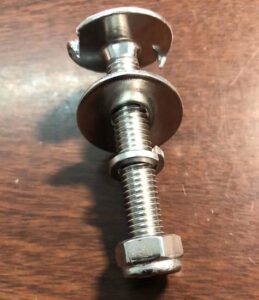
The elevator belt (Rubber elevator belt or PVC elevator belt) is running around the head drum pulley and the tail drum pulley. The elevator bucket is installed on the elevator belt by an elevator bolt (common elevator bolt or fang elevator bolt). The buckets lift materials such as grain, beans, and coffee vertically through the elevator and discharge them at the head section.
Types of Elevator Pulleys
Commonly, we produce three kinds of elevator pulleys:
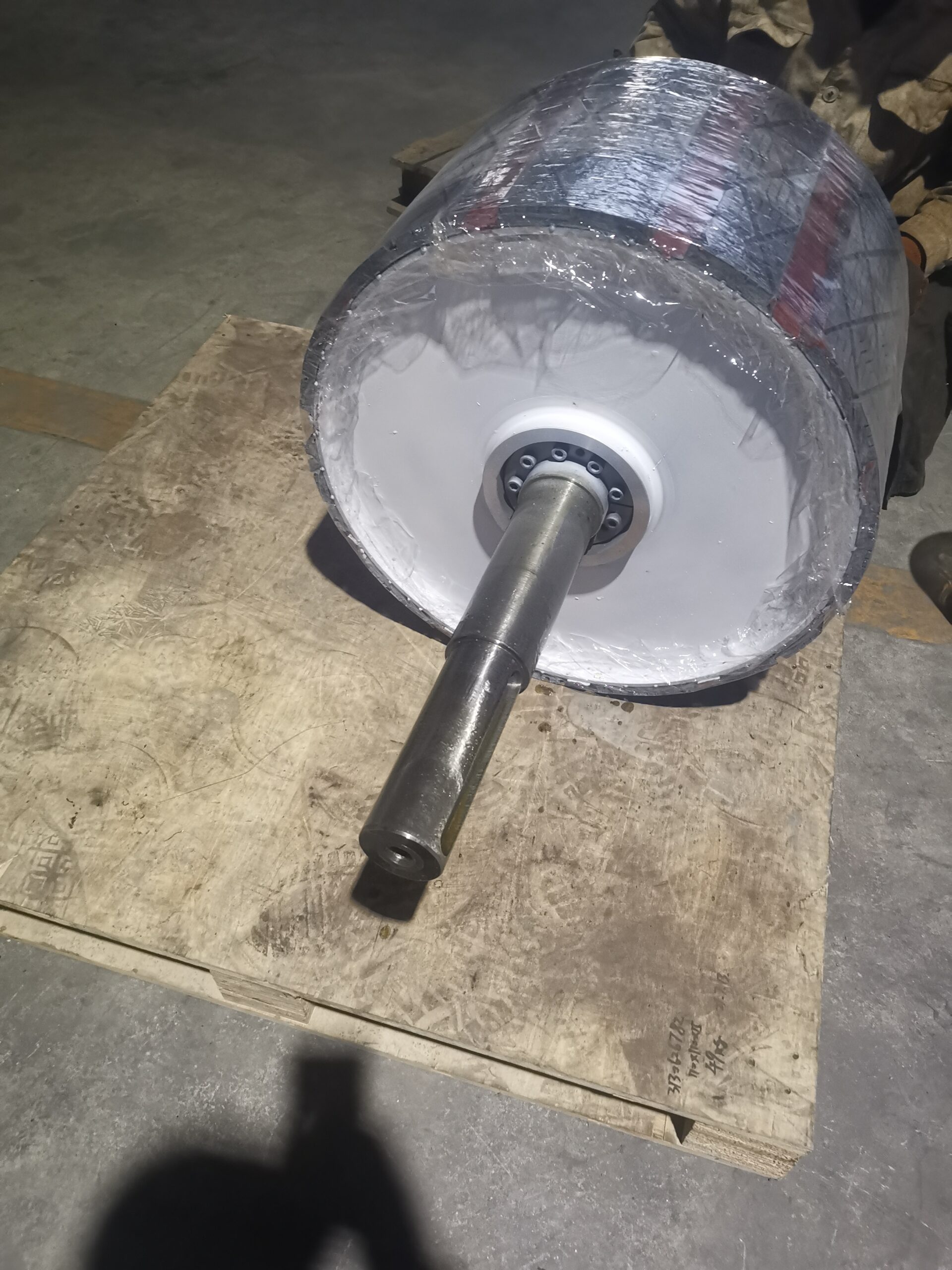
Inner cone type:
This is mostly used abroad (outside of China), and the production cost will be higher than that of the common plate type. The inner cone shape is a good design which is easily allows the materials to run, decreasing the material stacking rate inside the drum pulley.
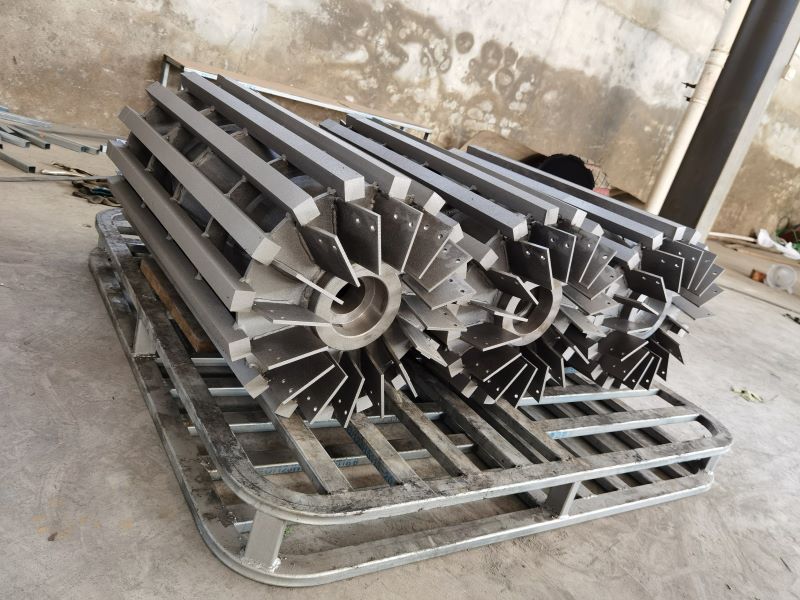
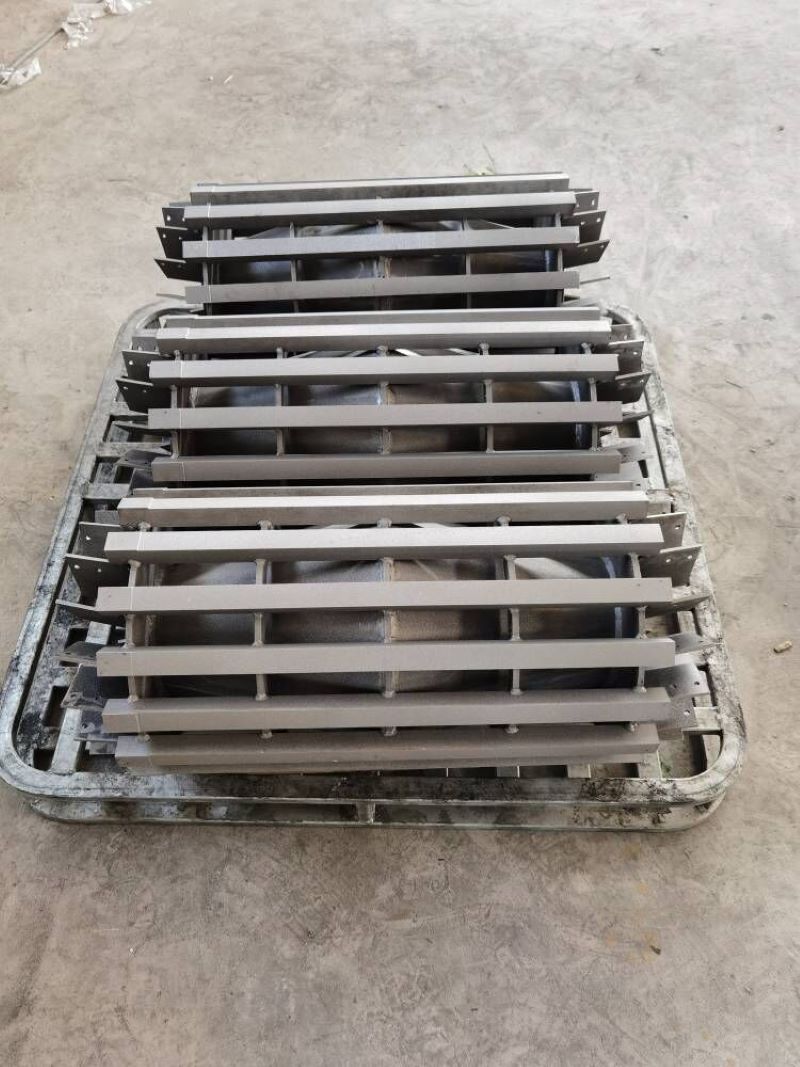
Plate type
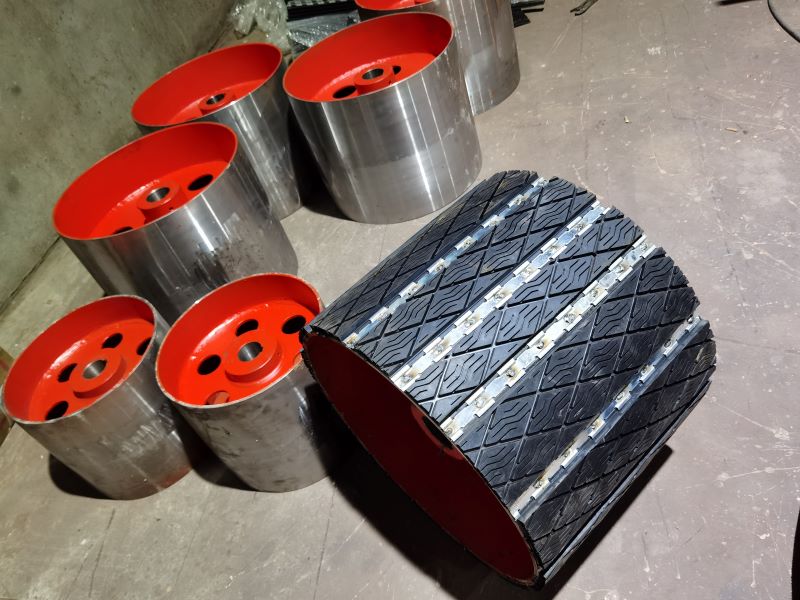
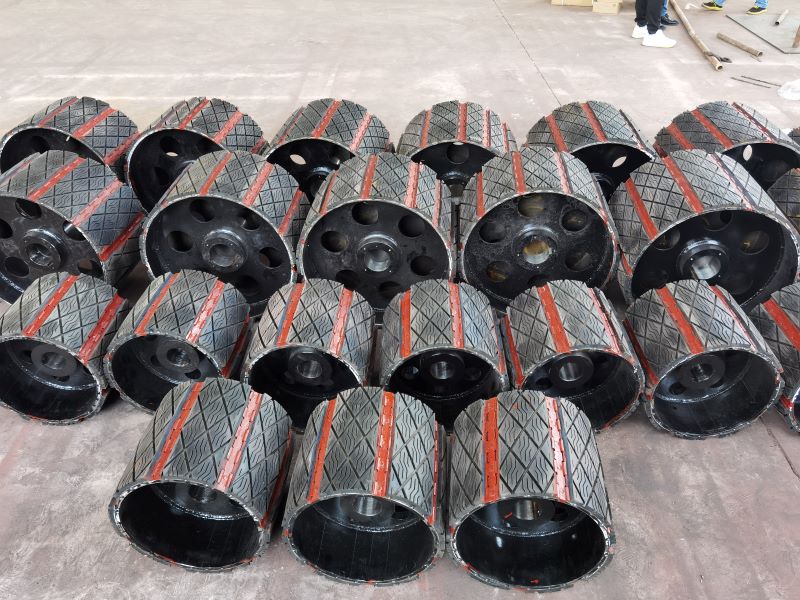
This type of elevator pulley is made from a plate sheet. Cut and roll, installed the bearing and shaft. The head pulley drum is coated with a rubber layer.
There are two kinds of rubber layer, one is the whole rubber layer type. Another is the lagging materials changeable type.
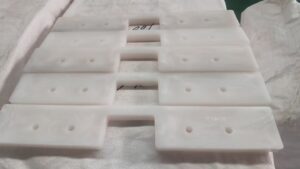
We recommend the lagging materials changeable type. It is easy to maintain. When one surface segment is broken, you don’t need to discard the whole head drum. All you have to do is replace the damaged part of the surface lagging materials.
Rat-cage Type
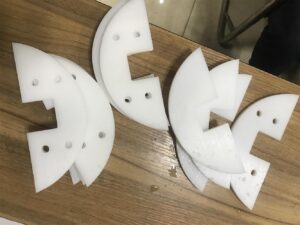
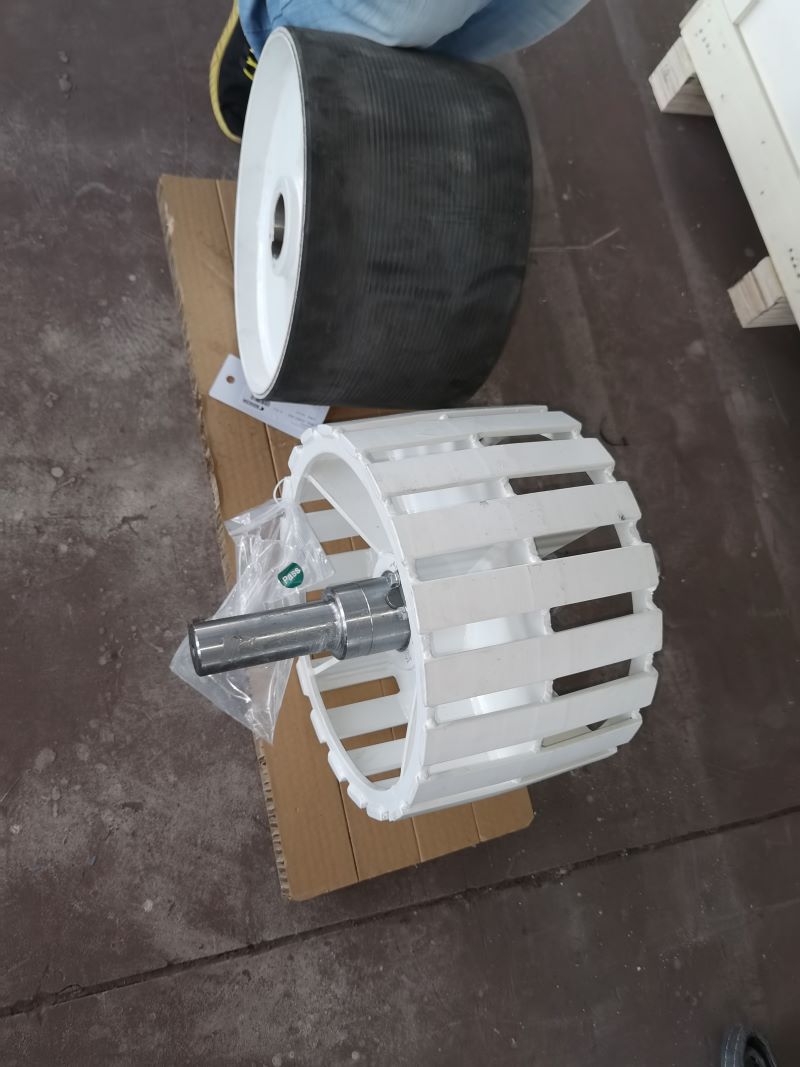
This type is mainly used for the bucket elevator tail pulley. Please look at the white part below. We called it Rat-cage type. You can also see from the picture. The tail pulley drum in this form is not easy to pile materials. Because the bucket elevator needs to lift different materials. Materials must not contaminate each other.
On the left of the white tail pulley of the bucket elevator in the photos below is the second pulley type talked in above: Full-coated rubber layer plate type elevator pulley.
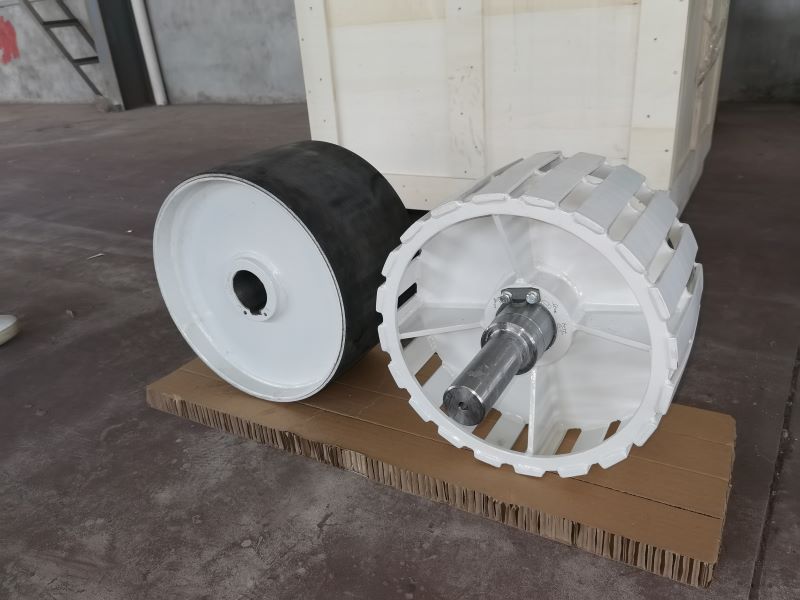
Differences between the head pulley and the tail pulley
The head elevator pulleys are the driven drum. It can’t skid by contacting the belt. So the head elevator pulley drum should be covered with a rubber layer.
And it is usually easy to wear. We have now designed this lagging material pattern. By sectional insert the segment. If one or more pieces(segments) are broken, we can replace them. There is no need to change the whole head elevator pulley. Causes economic loss and also a waste of time.
The tail pulley drum is no motivation. It is driven by the force of the head pulley. Carry out the bucket elevator material elevating and conveying.
The bucket elevator tail pulley does not need a rubber-coated surface.
But the tail pulley contacts the materials, so the most important it can’t pile up the materials. So we designed the first pulley type- cone type- and the third type – Rat cage type.
For complete bucket elevator systems, you can also view our bucket elevator components, elevator belts, elevator buckets and elevator bolts.
Frequently Asked Questions About Elevator Pulleys
Question: What is the difference between a head pulley and a tail pulley in a bucket elevator?
Answer: A head pulley is installed at the top of the bucket elevator and is usually connected with the drive system to move the elevator belt and discharge material. A tail pulley is installed at the bottom section and helps guide the belt return. Both pulleys are important for belt tracking, stable operation and material lifting efficiency.
Question: Can bucket elevator pulleys be made with rubber lagging?
Answer: Yes. Bucket elevator head pulleys and drive pulleys can be manufactured with rubber lagging to improve friction between the pulley and the elevator belt. Rubber lagging helps reduce belt slipping, improves power transmission and is commonly used in grain handling, feed processing and industrial bucket elevator systems.
Question: What information is needed to confirm an elevator pulley design?
Answer: To confirm the suitable elevator pulley, we usually need the pulley diameter, face width, shaft diameter, shaft length, bearing arrangement, belt width, lagging requirement and working position, such as head pulley, tail pulley, drive pulley or boot pulley. Drawings or photos can also help us check the structure more accurately.
Question: What is a bucket elevator head pulley?
A bucket elevator head pulley is installed at the discharge end of the elevator. It drives the elevator belt and helps buckets move upward and discharge materials smoothly.
Question: What is the difference between a head pulley and a tail pulley?
The head pulley is usually the driving pulley at the top of the bucket elevator, while the tail pulley is installed at the bottom to guide and tension the elevator belt.
Question: When does a bucket elevator pulley need lagging?
Pulley lagging is used when better belt grip, wear resistance, or reduced belt slippage is required. Rubber or ceramic lagging can be selected according to working conditions.